Calgary Top Landscaper for Professional Outdoor Design and Installation
Calgary Top Landscaper for Professional Outdoor Design and Installation
Blog Article
Revamp Your Outdoors Using Professional Landscaping Solutions
Transforming outdoor spaces through professional landscaping services can greatly enhance both visual appeal and practical use. Professional landscape designers evaluate specific sites, customizing plans to suit particular environmental factors and ground composition. They incorporate a combination of vegetation and structural features to design inviting areas. This strategic method not only boosts property value but also reduces upkeep requirements. Grasping the key elements of effective landscape design is vital for property owners looking to elevate their outdoor experience. What actions should they take next?
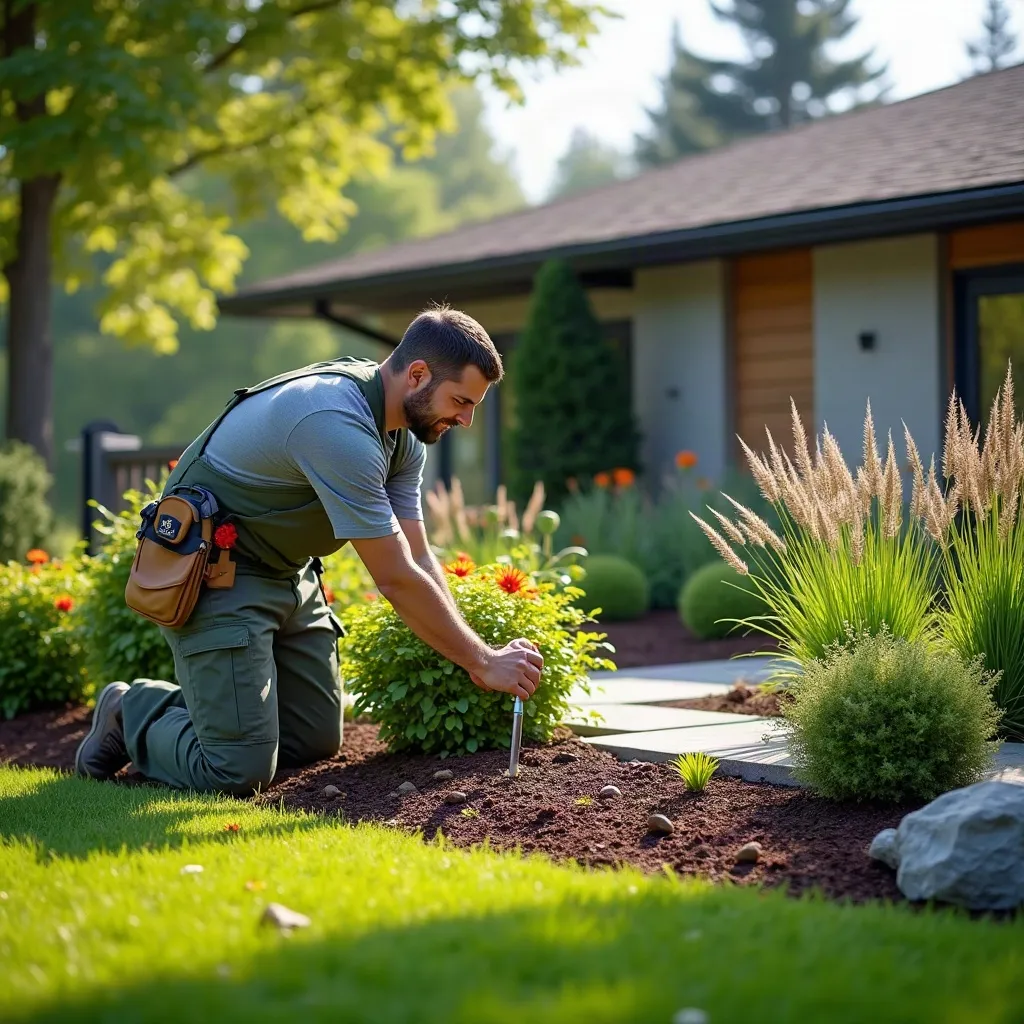
The Advantages of Professional Landscaping Solutions
Professional landscape design solutions transform outdoor spaces into practical and visually attractive environments. These services provide a variety of advantages that extend beyond mere appearance. One important benefit is the enhancement of property value; well-designed landscapes can significantly increase a home's market appeal. Additionally, professional landscapers have the expertise to select suitable vegetation and resources customized for specific climates and soil types, ensuring sustainability and longevity.
Moreover, these services can improve outdoor functionality, creating spaces for relaxation, enjoyment, or leisure. By carefully designing layouts, landscape experts optimize the use of space while including elements like walkways, patios, and plantings.
Furthermore, employing experts can save homeowners precious moments and labor, alleviating the burden of planning and maintenance. This permits individuals to relish their landscape areas without the worry of constant upkeep. Ultimately, professional landscaping services generate environments that amplify both the charm and practicality of outdoor areas.
Essential Components for a Thriving Landscape Design
A successful landscape design is defined by multiple important elements that contribute to both functionality and aesthetic beauty. First, a carefully planned layout optimizes space, ensuring ease of movement while establishing distinct areas for leisure and social gatherings. Second, the incorporation of hardscaping elements, such as pathways, patios, and retaining walls, provides structure and longevity to the design. Third, proper drainage systems are essential to prevent water accumulation and safeguard plant health.
Additionally, the use of focal points, like sculptures or water features, attracts the eye and enhances decorative appeal. Lighting takes an essential role as well, illuminating garden paths and highlighting key landscape elements, thereby increasing accessibility into the evening hours. Finally, a balanced planting scheme, which recognizes seasonal transitions, enhances ecological richness and supports native species. Together, these qualities produce a integrated and engaging outdoor space that reflects the owner's personality while addressing functional purposes.
How to Pick the Ideal Greenery for Your Yard
How can homeowners select the perfect plants for their gardens? First, learning about the local climate is essential; plants should thrive in the particular temperature and rainfall conditions of the area. Next, assessing sunlight exposure helps determine whether to choose shade-loving or sun-loving varieties. Soil type also plays a significant role; testing soil pH and texture ensures compatibility with selected plants.
Homeowners should think about the yard's size and layout, opting for plants that complement the space without overcrowding. Additionally, choosing indigenous vegetation can improve local ecosystem diversity while requiring less maintenance.
Finally, considering personal tastes—such as color, texture, and seasonal interest—will help create a aesthetically pleasing landscape. A carefully planned blend of these factors ultimately leads to a learn here vibrant and harmonious outdoor space that showcases the homeowner's style while being sustainable and manageable.
Improving Capability Using Hard Landscaping
Hardscaping plays a crucial role in enhancing outdoor living spaces by providing functional areas for leisure and social gathering. It also facilitates the creation of pathways and patios, guiding movement and creating definition to the landscape. Additionally, well-designed hardscaping can improve drainage and reduce erosion, supporting the overall health of the yard.
Maximizing Outdoor Living Spaces
Updating external living areas greatly strengthens their functionality, creating pleasant areas for relaxation and entertainment. Effective hardscaping elements, including retaining walls, outdoor kitchens, and fire pits, can greatly enhance these spaces. Incorporating robust materials like stone, brick, or pavers helps homeowners achieve a balanced aesthetic that enhances nature while delivering useful functions. These features not only define areas for social gatherings but also improve accessibility and organization within the outdoor environment. Furthermore, strategically placed seating arrangements can promote conversation and instill a sense of intimacy. In conclusion, a carefully arranged outdoor living space maximizes enjoyment by merging comfort with utility, making it an fundamental element of modern home landscaping.
Creating Walkways And Outdoor Spaces
A collection of expertly crafted walkways and patios can significantly enhance outdoor practicality and visual appeal. These landscape features function as essential links between various sections of a yard, providing distinct navigation while establishing spaces for relaxation and entertainment. Patios establish inviting spaces for outdoor gatherings, equipped to hold seating and entertaining. Pathways, crafted from substances like stone, brick, or concrete, not only direct pedestrian movement but also add to the overall design theme of the outdoor area. Adding curves and varying widths can add aesthetic appeal, rendering the yard more attractive. When expertly installed, pathways and outdoor spaces seamlessly integrate with the natural environment, enhancing both practicality and aesthetic value in any outdoor space.
Boosting Drainage And Erosion
Upgrading outdoor environments goes beyond aesthetics; it also entails addressing practical matters like drainage and erosion. Successful landscaping combines hardscaping elements, such as retaining walls, gravel pathways, and permeable pavements, which assist in controlling water flow and curbing soil erosion. By thoughtfully positioning these features, homeowners can channel excessive rainwater away from delicate areas, preserving both plants and structures.
Furthermore, installing French drains or swales can significantly enhance drainage by directing water to designated areas. These approaches not only prevent damage but also enhance the overall functionality and durability of the landscape. Ultimately, expert landscaping companies provide expertise in implementing these landscaping methods, ensuring a stable and robust outdoor environment that endures the challenges of nature.
Timely Care Guidelines for Your Garden
Effective routine maintenance is critical for maintaining the beauty and health of any garden. Property owners should implement defined duties throughout the year to ensure their outdoor spaces prosper. In the spring season, the concentration should be on clearing dead growth, creating soil pockets, and applying fertilizer to encourage growth. Summer maintenance includes regular watering, mulching, and cutting to encourage strong plant life while stopping illness.
As autumn sets in, it's imperative to sweep away fallen leaves, arrange garden beds for winter, and establish perennials for coming years. Winter upkeep could encompass guarding delicate plants via mulch or fabric, maintaining proper drainage, and evaluating hardscapes for freeze damage. By observing these seasonal maintenance tips, individuals can fortify their outdoor spaces' endurance and aesthetic value, developing a thriving outdoor space all year.
Important Queries to Ask When Hiring a Landscape Service?
When deciding on a landscaping company, what key inquiries should property owners consider to ensure they choose wisely? Initially, they should inquire into the firm's experience and skills in the specific landscaping type desired. Understanding their design approach and previous projects can supply helpful insights.
Next, property owners should ask about licensing and insurance to verify adherence to local codes and protection against possible legal issues. A comprehensive quote is essential, so requesting a cost itemization will help avoid unforeseen charges.
Asking about the schedule for finishing the project and maintenance options is also essential, as it affects lasting contentment. Additionally, property owners should explore the kinds of materials and vegetation the company uses, confirming they match personal preferences and environmental sustainability. Finally, reading reviews and requesting recommendations can provide peace of mind about the service's reliability and quality.
Regularly Asked Questions About Our Products
What Price Range Should You Expect for Professional Landscaping Work?
Outdoor design services typically cost between $50 to $150 per hour, contingent upon the project's intricacy and location. Homeowners must account for additional fees for materials, design work, and perpetual upkeep when setting aside money for landscaping services.
What timeframe can you plan for when undertaking a landscape design job?
A landscaping job ranges from several weeks or possibly just a few days in timeframe, influenced by the range of work, territory size, and design difficulty, with sizable projects taking longer for completion.
Can Landscaping Boost My Home Worth?
Landscaping can greatly increase property value by upgrading curb appeal, building inviting outdoor spaces, and improving general appearance. Carefully tended landscaped areas and thoughtful planning often bring in future homeowners, making more desirable in the real estate market.
Which Authorizations Do You Require for Landscape Design Projects?
Landscaping undertakings often demand assorted permits, based on local requirements. Common permits encompass those for tree removal, structural additions, and modifying drainage. Homeowners should speak to local authorities to confirm adherence with zoning laws and environmental guidelines.
In What Way Do Atmospheric Conditions Determine Plant and Garden Options?
Weather patterns considerably determine landscaping choices, as rainfall, temperature, and sunlight affect plant selection, soil preparation, and maintenance strategies. Adjusting designs to local climate guarantees sustainability, growth, and overall aesthetic appeal in outdoor spaces.
Report this page