As The Sod Turns Landscape & Design Inc for Professional Outdoor Design
As The Sod Turns Landscape & Design Inc for Professional Outdoor Design
Blog Article
Revamp Your Outdoors Using Professional Landscaping Solutions
Revamping exterior areas with expert landscaping solutions can significantly improve both visual appeal and usable function. Experienced landscapers review specific locations, modifying plans to fit particular environmental needs and terrain composition. They introduce a collection of greenery and built structures to establish pleasant exterior environments. This intentional plan increases property value and also lowers maintenance demands. Identifying the central elements of quality landscape design is necessary for house owners pertinent information working to improve their outdoor experience. What next steps should they proceed with?
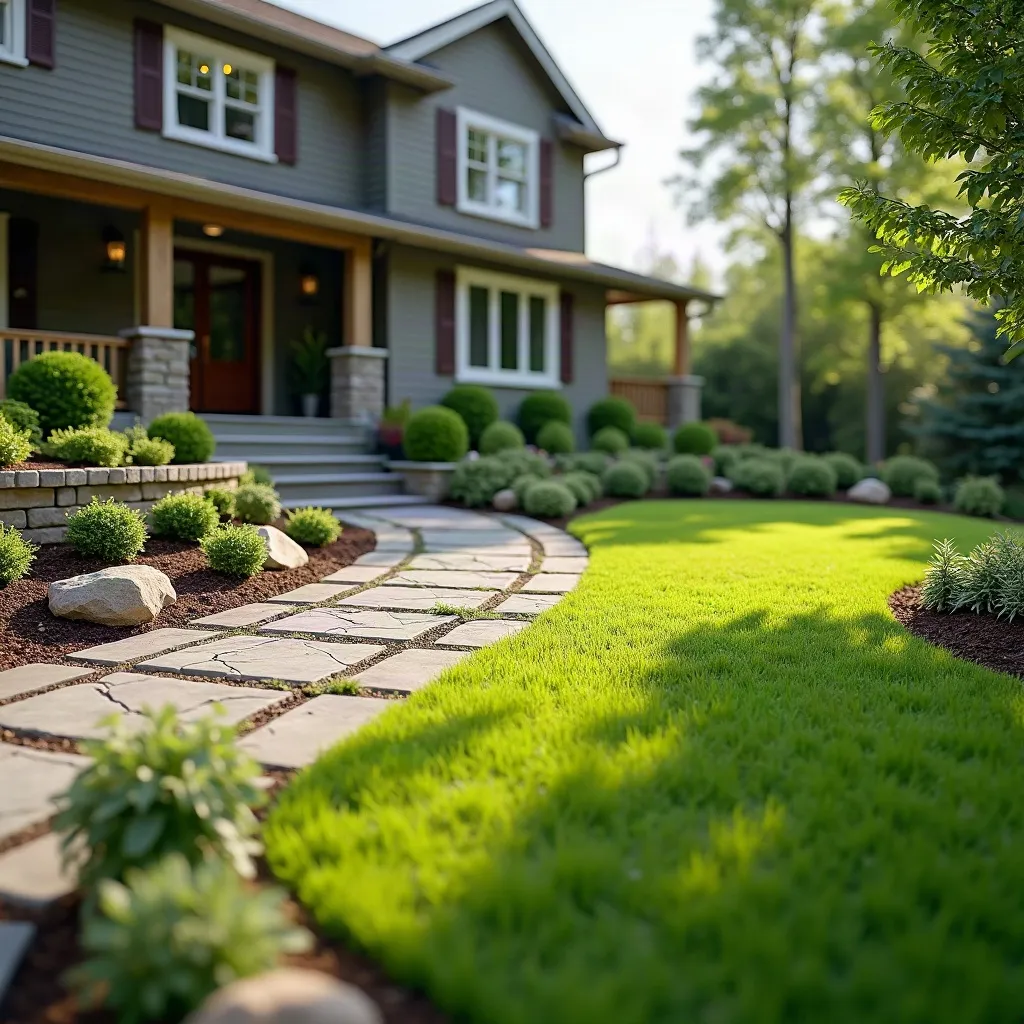
The Positive Impacts of Professional Landscaping Services
Professional landscape design solutions convert outdoor spaces into functional and aesthetically pleasing environments. These services provide a variety of advantages that go beyond mere appearance. One important benefit is the enhancement of property value; expertly crafted outdoor designs can significantly increase a home's market appeal. Additionally, professional landscapers possess the expertise to select suitable vegetation and resources customized for specific climates and soil types, ensuring sustainability and longevity.
Additionally, these solutions can elevate outdoor capability, developing spaces for rest, entertainment, or activities. By purposefully organizing layouts, landscape designers improve the use of space while integrating elements like trails, terraces, and flower beds.
Furthermore, contracting specialists can save homeowners time and effort, easing the burden of organization and care. This allows individuals to savor their outdoor spaces without the tension of perpetual maintenance. Ultimately, professional landscaping services build environments that elevate both the beauty and usability of landscape spaces.
Key Components for a Accomplished Landscape Design
A successful landscape design is defined by multiple important elements that add to both functionality and visual appeal. First, a well-thought-out layout maximizes space, guaranteeing ease of movement while creating separate zones for leisure and social gatherings. Second, the integration of hardscape features, such as walkways, patios, and retaining walls, provides structure and longevity to the design. Third, effective drainage solutions are essential to avoid water buildup and protect plant health.
Additionally, the application of centerpieces, like sculptures or water features, draws the eye and improves visual appeal. Lighting plays an important role as well, lighting up walkways and accentuating key garden features, thereby extending functionality into the night time. Finally, a well-rounded vegetation choice, which accounts for seasonal changes, enhances ecological diversity and sustains local wildlife. Together, these elements create a unified and inviting outdoor space that expresses the property owner's personality while meeting practical needs.
How to Select the Ideal Plants for Your Garden
How can homeowners determine the right plants for their properties? First, understanding the local climate is essential; plants should thrive in the unique temperature and rainfall conditions of the area. Next, reviewing sunlight exposure helps ascertain whether to select shade-loving or sun-loving varieties. Soil type also plays a notable role; testing soil pH and texture validates compatibility with selected plants.
Property owners should evaluate the yard's size and layout, going with plants that complement the space without overcrowding. Additionally, going with native plants can enhance local biodiversity while taking less maintenance.
Finally, taking into account personal tastes—such as hue, texture, and seasonal appeal—will help design a visually appealing landscape. A carefully planned combination of these elements ultimately leads to a lively and balanced outdoor environment that reflects the homeowner's style while being eco-friendly and easy to maintain.
Boosting Functionality With Hard Landscaping
Hardscaping plays a crucial role in improving outdoor living spaces by providing practical zones for leisure and social gathering. It also facilitates the development of pathways and patios, guiding movement and creating definition to the landscape. Additionally, effective hardscaping can enhance water management and minimize soil degradation, contributing to the overall health of the yard.
Enhancing Outdoor Living Spaces
Remodeling outside living areas significantly upgrades their functionality, building inviting areas for relaxation and fun. Thoughtful hardscaping elements, like retaining walls, outdoor kitchens, and fire pits, can substantially raise these spaces. By using durable materials such as stone, brick, or pavers, homeowners can realize a balanced aesthetic that suits nature while offering practical benefits. These features not only outline areas for social gatherings but also improve ease of use and organization in the outdoor environment. Additionally, strategically placed seating arrangements can nurture conversation and produce a friendly vibe. Ultimately, a well-designed outdoor living space maximizes enjoyment by combining comfort and utility, making it an important component of modern home landscaping.
Building Pathways And Terraces
An collection of well-crafted walkways and outdoor entertaining areas can greatly improve yard functionality and aesthetics. These landscape features function as essential connectors between various zones of a yard, offering clear direction while establishing zones for relaxation and entertaining. Outdoor patios create inviting zones for exterior gatherings, outfitted to accommodate seating and entertaining. Pathways, constructed from options like stone, brick, or concrete, both guide pedestrian flow but also lend to the general design theme of the landscape. Introducing bends and different sizes can add visual interest, turning the yard more attractive. When professionally installed, walkways and patios blend smoothly with the natural surroundings, boosting both practicality and aesthetic value in any outdoor setting.
Boosting Drainage And Ground Loss
Improving outdoor areas is more than aesthetics; it also involves handling practical issues like drainage and erosion. Efficient landscaping incorporates hardscaping elements such as retaining walls, gravel pathways, and permeable pavements, which aid in managing water flow and minimizing soil erosion. By strategically placing these features, homeowners can divert excess rainwater away from vulnerable spots, protecting both plants and structures.
Moreover, incorporating French drains or swales can considerably improve drainage by channeling water to designated areas. These solutions not only mitigate damage but also elevate the overall competence and permanence of the landscape. Ultimately, seasoned landscaping experts provide skill in implementing these installation methods, assuring a balanced and resilient outdoor environment that endures against the challenges of nature.
Seasonal Upkeep Suggestions for Your Landscape
Effective seasonal maintenance is crucial for maintaining the beauty and health of any landscape. Homeowners should implement specific tasks throughout the year to guarantee their outdoor spaces thrive. In springtime, the emphasis should be on removing dead matter, aerating the soil, and adding nutrients to promote development. Warm season care encompasses regular watering, mulching, and pruning to promote healthy plant development while avoiding illness.
As autumn unfolds, it's vital to sweep away fallen leaves, ready garden beds for the cold months, and establish perennials for coming years. Winter upkeep could involve protecting tender plants through mulch or fabric, securing adequate drainage, and reviewing hardscapes for winter harm. By adhering to these seasonal care methods, individuals can strengthen their landscapes' longevity and visual charm, developing a thriving outdoor space all year.
Important Queries to Ask When Selecting a Landscaping Service?
When deciding on a landscape service, what key inquiries should homeowners reflect on to ensure they make a well-informed choice? First, they should ask about the firm's experience and skills in the particular type of landscaping desired. Learning about their design approach and previous projects can provide valuable information.
Next, property owners should inquire regarding licensing and insurance to confirm compliance with local regulations and safeguarding from possible legal issues. A comprehensive quote is vital, so requesting a breakdown of costs will prevent unexpected expenses.
Inquiring about the timeframe for completion of the project and maintenance solutions is also fundamental, as it determines sustained satisfaction. Additionally, homeowners should research the selection of materials and flora the company uses, validating they align with lifestyle preferences and green practices. Finally, reading reviews and requesting testimonials can supply assurance about the trustworthiness and caliber of the service.
Frequently Requested Questions
What Is the Average Cost of Professional Landscaping?
Professional landscaping usually costs $50 to $150 per hour, subject to variations in the scope and complexity of the project and location. Homeowners need to factor in supplementary expenses for supplies, creative design, and maintenance work when budgeting for landscaping services.
How long does a landscape design project usually require?
Landscaping work may require anywhere from several days to a few weeks, dictated by the project scope, area size, and design difficulty, with more extensive projects requiring additional duration for completion.
Does Outdoor Improvement Improve My Property Value?
Landscaping can greatly increase real estate value by elevating visual appeal, establishing welcoming exterior areas, and improving overall aesthetics. Nicely kept planted spaces and thoughtful planning often appeal to interested clients, rendering properties more desirable in the real estate market.
Which Authorizations Do You Require for Landscaping Projects?
Landscaping initiatives often call for diverse permits, based on local ordinances. Common permits feature those for removing trees, adding structures, and altering drainage. Homeowners should reach out to local authorities to ensure adherence with zoning laws and environmental guidelines.
How Greatly Do Weather Conditions Change Your Landscaping Choices?
Weather factors greatly affect landscaping decisions, as elements like rainfall, temperature, and sunlight dictate plant selection, soil preparation, and maintenance strategies. Adapting designs to local climate ensures sustainability, growth, and overall aesthetic appeal in outdoor spaces.
Report this page